
Harnessing Emotional Intelligence in the Workplace: A Key to Corporate Success
In an era defined by rapid technological advancements and increasing workplace diversity, emotional intelligence (EI) has emerged as a critical driver of both individual and organizational success. For trainers and corporate workers, understanding and cultivating emotional intelligence can lead to improved collaboration, enhanced creativity, and more effective leadership. This article delves into the intricacies of emotional intelligence, its components, and how it can transform workplace dynamics.
What is Emotional Intelligence?
Emotional intelligence is the ability to recognize, understand, and manage our own emotions as well as the emotions of others. It encompasses several components, including self-awareness, self-regulation, motivation, empathy, and social skills.
These elements work together to determine how we interact with others and react to various situations.
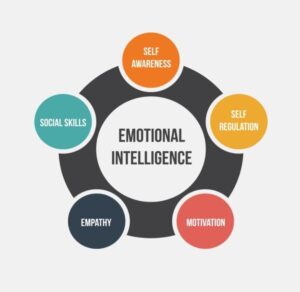
- Self-Awareness: This is the foundation of emotional intelligence. It involves recognizing one’s own emotions and their effects on thoughts and behavior. For trainers, fostering self-awareness can help tailor coaching methods to meet the specific needs of employees.
- Self-Regulation: Once aware of one’s emotional state, the next step is managing those emotions. High self-regulation leads to better control over impulses and promotes thoughtful decision-making. In the corporate environment, self-regulation aids in maintaining professionalism, especially in high-stress scenarios.
- Motivation: Emotionally intelligent individuals are typically motivated by intrinsic factors. They possess a strong desire to achieve and excel, which can positively influence the team’s overall morale and performance. For trainers, instilling a sense of motivation in employees can lead to higher engagement levels and productivity.
- Empathy: The ability to understand and share the feelings of others is crucial for effective teamwork. Empathy allows trainers and corporate workers to address conflicts and foster a supportive environment. By recognizing the emotions of team members, leaders can create more inclusive and productive workplaces.
- Social Skills: Strong social skills are vital for building and maintaining relationships. They enable effective communication and conflict resolution, both of which are essential in a corporate setting. Trainers can guide employees in enhancing their social skills, leading to better collaboration and communication.
Why is Emotional Intelligence Important in the Workplace?
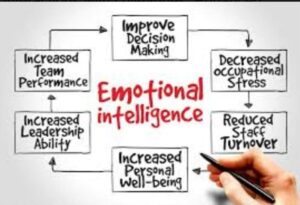
In today’s corporate world, technical skills are often not enough to ensure success. Employers increasingly recognize that emotional intelligence is equally, if not more, important. Studies reveal that organizations with high emotional intelligence tend to have higher employee satisfaction, lower turnover rates, and improved performance.
For trainers, teaching the principles of emotional intelligence can empower corporate workers to navigate complex social dynamics and improve their interactions with colleagues. Enhanced emotional intelligence contributes to a more harmonious workplace where collaboration flourishes, helping teams tackle challenges more effectively.
Implementing Emotional Intelligence Training
To cultivate emotional intelligence in the workplace, trainers should consider the following strategies:
- Workshops and Seminars: Organizing sessions that focus on emotional intelligence skills can provide both theoretical knowledge and practical techniques.
- Role-Playing Exercises: Engaging employees in role-playing activities can help them practice empathy and conflict resolution in a safe environment.
- Feedback Mechanisms: Incorporating regular feedback sessions allows employees to reflect on their emotional intelligence and identify areas for improvement.
- Cultivating a Culture of Open Communication: Encouraging open dialogue about emotions can foster a supportive environment, making it easier for employees to share their experiences and emotions.
Conclusion
Harnessing Emotional Intelligence in the Workplace: A Key to Corporate Success
In an era defined by rapid technological advancements and increasing workplace diversity, emotional intelligence (EI) has emerged as a critical driver of both individual and organizational success. For trainers and corporate workers, understanding and cultivating emotional intelligence can lead to improved collaboration, enhanced creativity, and more effective leadership.
This article delves into the intricacies of emotional intelligence, its components, and how it can transform workplace dynamics.