Interpersonal communication is a natural human ability to connect with people. This process begins as early as our childhood, when an infant looks up to us and smiles. It enhances when one shares their heartfelt emotions with a friend after a tough day or shares secrets. It is not limited to words alone; it is the way we share our thoughts, feelings, hopes, fears, and experiences. It shapes our relationships, influences our decisions and helps us understand the world better.
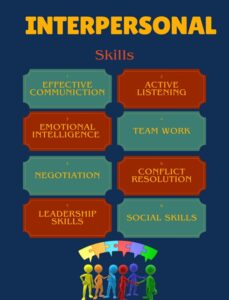
In simple terms, interpersonal communication is people talking, listening, understanding, and responding to each other in meaningful ways. It’s a combination of skills, including effective communication, leadership, and, most importantly, social skills.
Dale Carnegie was a key figure in popularising the concept of interpersonal Skills in the 1930s through his book How to Win Friends and Influence People. He believed that interpersonal skills are the foundation of successful relationships—both personal and professional. According to him, people succeed not because of technical knowledge alone but because of their ability to understand, influence, and connect with others.
“A smile is a messenger of goodwill.”
He considered gestures like open doors, which reduce tensions and build instant connections.
Why Interpersonal Communication Matters:
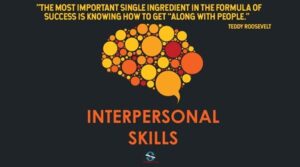
Teddy Roosevelt explains the importance of Interpersonal Skills as the key ingredient that teaches us to get along with people.
Interpersonal skills improve relationships, enhance teamwork, resolve conflicts, develop trust and boost productivity. It helps a good leader to become the best and inspires others. It enhances the decision-making capacity of the leader.
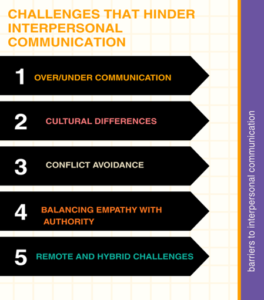
Challenges That Hinder Interpersonal Communication:
Multiple factors hinder interpersonal communication adversely. While interpersonal communication involves communicating to get along, sometimes, over information leads to the problem of excessive information, which confuses the listener.
Psychological barriers, including stress, anxiety, fear, assumptions or cultural barriers leading to different interpretations, lead to hindrance in interpersonal communication.
Remote or hybrid connections that lack personal touch or regular discussions complicate effective interpersonal communication.
Smart Strategies to Build Interpersonal Skills:
- Practice Active Listening
-Listen to understand, not to answer
– Think before interrupting the speaker
- Reflect and Clarify
-Ask for clarification when in doubt
-Avoid assumptions
- Know your Audience
-Communicate according to the level of your audience
– use simple yet powerful language
- Build Emotional Intelligence
–Monitor emotional triggers and respond thoughtfully
–Manage reactions at the right time
- Seek Feedback
–Take feedback positively
–Reflect on the feedback, adapt to changes and improve
- Learn to embrace diversity
–Treat all individuals with respect and show that you care
-Use bias-free language
The Corporate Role in Building Interpersonal Competence
Interpersonal communication is at the heart of every successful workplace. Recognising its importance, modern organisations actively invest in structured strategies, training, and cultural practices to strengthen how employees connect, collaborate, and communicate. Companies today actively invest in strengthening interpersonal skills because they directly influence teamwork, communication, productivity, and workplace culture. The major initiatives that most of the companies take are as follows:
- Provide Structured Soft Skills Workshops to Build Interpersonal Capabilities.
- Communication skills
- Active listening
- Conflict management
- Emotional intelligence
- Empathy and rapport building
- Collaboration and teamwork
- Offer Coaching and Mentoring for better performance
- Professional coaches (for behavior, communication, leadership)
- Internal mentors (senior colleagues guiding juniors)
- Introduce Team Building Activities to improve trust and interpersonal comfort
– Offsite programs
– Team outing
– Trust Exercises
– Social events
– Cross-cultural events
- Promote Cross-Functional Collaboration
- Introduce Joint projects
- Work outside their departments
- Emotional Intelligence Workshops focusing on
- Self-awareness
- Self-regulation
- Social awareness
- Relationship management
- Employee Recognition Programs to maintain healthy interpersonal communication
-Team Player
-Best Performer
-Promotion consideration
– Inter Job postings for higher positions
Conclusion:
As the world continues to evolve socially, technologically, and culturally, the future of interpersonal communication is set to transform in powerful and exciting ways.
As workplaces evolve, interpersonal skills will not just remain relevant—they will become more essential than ever. Individuals who can blend emotional intelligence, cultural awareness, clarity, and digital communication skills will thrive in the future world of work.