
In today’s fast-evolving professional world, technical knowledge alone no longer guarantees success. Organizations are increasingly seeking employees who can communicate clearly, collaborate effortlessly, and adapt quickly to change. In this context, soft skills training has emerged as a powerful game changer—one that shapes not just individual performance but the overall growth and culture of an organization.
Soft skills, often referred to as power skills, influence how people interact, solve problems, and contribute to a positive work environment. These abilities are essential for building trust, enhancing teamwork, and driving professional development. As workplaces become more dynamic and people-centric, investing in soft skills is no longer optional—it’s a strategic necessity.
What Are Soft Skills?
Soft skills are the interpersonal, social, and behavioral abilities that determine how effectively a person works with others in a professional setting. Unlike technical skills, which focus on specific tasks, soft skills define how someone approaches those tasks and collaborates with people around them.
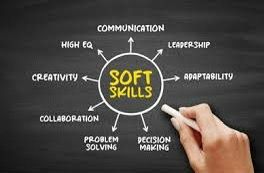
Common soft skills include:
- Communication skills
- Emotional intelligence
- Leadership
- Teamwork
- Problem-solving
- Time management
- Adaptability
- Conflict resolution
When employees excel in these areas, organizations see a direct impact on productivity, morale, efficiency, and customer satisfaction.
Why Soft Skills Training Matters
While technical skills enable employees to perform their jobs, soft skills determine how they perform them. Structured soft skills training ensures people don’t just understand these abilities—they learn to apply them in real situations.
- Communication
From meetings to presentations to emails, communication is the backbone of every workplace interaction. Soft skills training helps individuals express their thoughts clearly, listen actively, and reduce misunderstandings, ultimately improving overall team efficiency.
- Team building
Teams function best when members trust one another and understand different perspectives. Soft skills programs nurture collaboration, empathy, and healthy workplace relationships, allowing teams to work cohesively toward shared goals.
- Leadership
Leadership today is less about authority and more about influence. Soft skills training empowers individuals to handle difficult conversations, give constructive feedback, resolve challenges, and motivate colleagues—regardless of their job title.
- Adaptability
In a world where priorities change quickly, adaptability is an essential skill. Training helps employees embrace change with resilience, maintain a positive outlook, and stay productive in fast-paced environments.
- Customer Experience
Employees with strong soft skills interact with customers more confidently and professionally. Their ability to handle queries calmly, listen with patience, and respond with empathy leads to higher satisfaction and long-term loyalty.
Benefits of Implementing Soft Skills Training
Organizations that invest in soft skills development often experience significant improvements across multiple areas:
- Better workplace culture
- Higher employee engagement
- Increased productivity and performance
- Reduced conflicts and smoother communication
- Stronger leadership pipeline
- Enhanced brand reputation
For individuals, soft skills training builds confidence, improves emotional intelligence, and opens doors to career advancement. These skills often become the differentiating factor in promotions, leadership opportunities, and professional visibility.
What Effective Soft Skills Training Includes
A successful soft skills program goes beyond theory. It focuses on hands-on learning that mirrors real workplace situations. Effective training typically includes:
- Role plays and simulations
- Group discussions
- Hands-on activities
- Case studies
- Presentation practice
- Behavioral insights
- Constructive feedback sessions
- Real-time coaching
This experiential approach ensures participants not only understand the concepts but also apply them immediately in their daily roles.
Soft Skills: The Future of Work
As technology advances and automation takes over routine tasks, human-centric abilities are becoming increasingly valuable. Skills such as empathy, creativity, communication, and leadership cannot be automated—and they are what ultimately set professionals apart.
Organizations that prioritize soft skills create a workforce that is confident, future-ready, and equipped to navigate change. Soft skills trainings are not just another program; it is a strategic investment that strengthens an organization from within.
When employees communicate better, lead with empathy, and collaborate effectively, the entire workplace transforms. In a world where change is constant, soft skills remain timeless—and absolutely essential for long-term success.
Want to become a Soft Skills Trainer, do visit for more information : Certified Soft Skills Trainer