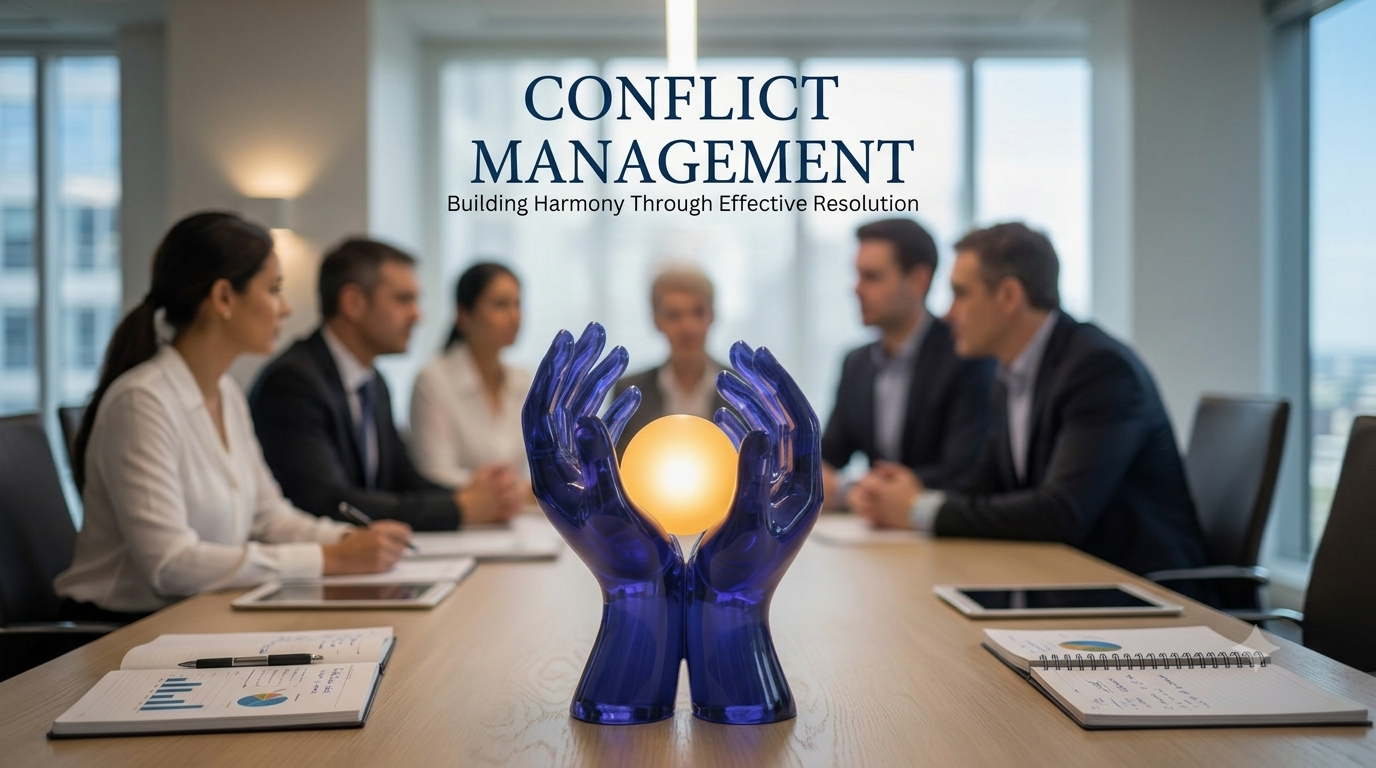

Conflict is a natural and inevitable part of human interaction. Whether in workplaces, families, schools, or communities, differing opinions, values, and goals often lead to disagreements. While conflict can be uncomfortable, it is not inherently negative. When managed effectively, it can foster understanding, innovation, and stronger relationships. Conflict management, therefore, is the process of identifying and addressing disputes in a constructive manner that minimizes harm and promotes cooperation.
Understanding Conflict
Conflict arises when individuals or groups perceive that their interests, needs, or values are being challenged or threatened. It can occur due to miscommunication, competition for resources, personality differences, or unmet expectations. Conflicts may be internal (within an individual) or external (between individuals or groups). Recognizing the nature and source of conflict is the first step toward resolution.
There are generally two types of conflict: functional and dysfunctional.
Functional conflict encourages discussion, creativity, and problem-solving, leading to growth and improvement.
Dysfunctional conflict, on the other hand, disrupts relationships, reduces productivity, and creates hostility. The goal of conflict management is to transform potential dysfunction into constructive dialogue.
Common Causes of Conflict
- Communication Breakdown: Misunderstandings, unclear messages, or lack of communication often lead to conflict.
- Differences in Values or Beliefs: Diverse backgrounds and perspectives can create disagreements over priorities or ethics.
- Competition for Resources: Limited time, money, or recognition can trigger rivalry and tension.
- Personality Clashes: Differences in temperament, attitudes, or working styles can cause friction.
- Unmet Expectations: When expectations are not clearly defined or fulfilled, disappointment and resentment may arise.
Understanding these causes helps in addressing the root of the problem rather than just its symptoms.
Strategies for Effective Conflict Management
- Open Communication
Clear and honest communication is the foundation of conflict resolution. Encouraging all parties to express their thoughts and feelings respectfully helps prevent misunderstandings.
Active listening—paying full attention, acknowledging emotions, and paraphrasing for clarity—ensures that everyone feels heard and valued.
- Empathy and Understanding
Empathy involves seeing the situation from another person’s perspective. By understanding others’ emotions and motivations, it becomes easier to find common ground. Demonstrating empathy reduces defensiveness and fosters mutual respect, paving the way for collaborative solutions.
- Problem-Solving Approach
Focusing on the issue rather than personal differences promotes constructive dialogue. Identifying shared goals and brainstorming possible solutions encourages cooperation. The aim should be to reach a win-win outcome where all parties feel satisfied with the resolution.
- Managing Emotions
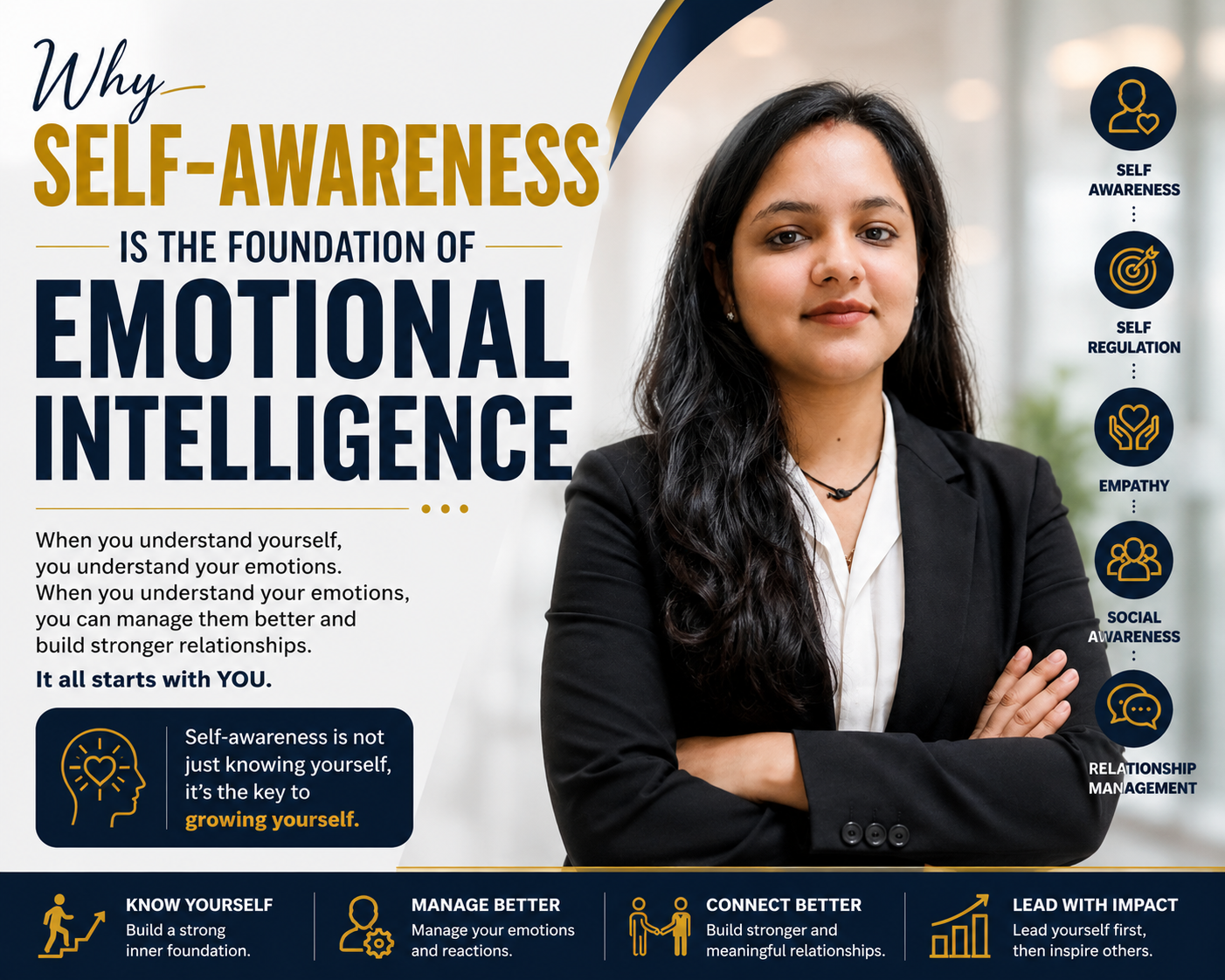
Emotions often escalate conflicts. Learning to stay calm and composed during disagreements prevents impulsive reactions. Techniques such as deep breathing, pausing before responding, or taking a short break can help maintain emotional control. Emotional intelligence—recognizing and managing one’s own emotions and those of others—is a key skill in conflict management.
- Negotiation and Compromise
Negotiation involves discussing differences to reach a mutually acceptable agreement. Compromise requires flexibility and willingness to give up certain demands for the greater good. Effective negotiators focus on interests rather than positions, seeking solutions that benefit everyone involved.
- Mediation and Third-Party Intervention
When conflicts become too intense or complex, involving a neutral third party can be beneficial. Mediators facilitate communication, clarify misunderstandings, and guide participants toward resolution. In workplaces or organizations, trained mediators or human resource professionals often play this role.
- Establishing Clear Policies and Boundaries
In professional settings, clear rules and procedures for handling disputes help prevent escalation. Defining roles, responsibilities, and acceptable behaviors creates a structured environment where conflicts can be addressed promptly and fairly.
Benefits of Effective Conflict Management
Properly managed conflict leads to numerous positive outcomes. It enhances communication, strengthens relationships, and promotes trust. Teams that handle conflict constructively often experience increased creativity and innovation, as differing viewpoints lead to better decision-making. On a personal level, conflict management improves emotional intelligence, patience, and problem-solving skills. In organizations, it contributes to a healthier work culture, higher morale, and improved productivity.
Conclusion
Conflict is an unavoidable aspect of human relationships, but it does not have to be destructive. When approached with openness, empathy, and a problem-solving mindset, conflict can become a catalyst for growth and understanding. Effective conflict management transforms tension into opportunity, fostering harmony and cooperation. By developing communication skills, emotional awareness, and mutual respect, individuals and organizations can navigate disagreements successfully and build stronger, more resilient connections.