
Leadership is one of the most important qualities in today’s rapidly changing world. It is often mistaken for a position of power or the ability to give orders. In truth, leadership is about influencing people, motivating them to work toward a shared goal, and building an environment in which individuals can do their best. Whether in business, healthcare, education, or community service, effective leadership is essential for achieving lasting success.

- Leaders Set Example:
A genuine leader is defined not by a title, but by actions and character. Leadership starts with self-awareness and a readiness to accept responsibility. Strong leaders set an example through integrity, accountability, and consistency in both their decisions and behavior. They build trust through honesty and openness, helping people feel appreciated and respected. Trust is the basis of every successful team and is vital for long-term cooperation.
- Leaders are Visionary
One of the most important traits of a leader is a clear vision. A leader knows where the team or organization needs to go and communicates that direction effectively. When people understand the purpose behind their work, they become more motivated and committed. A strong vision provides direction, creates unity, and encourages everyone to work toward common goals.

- Effective Communication:
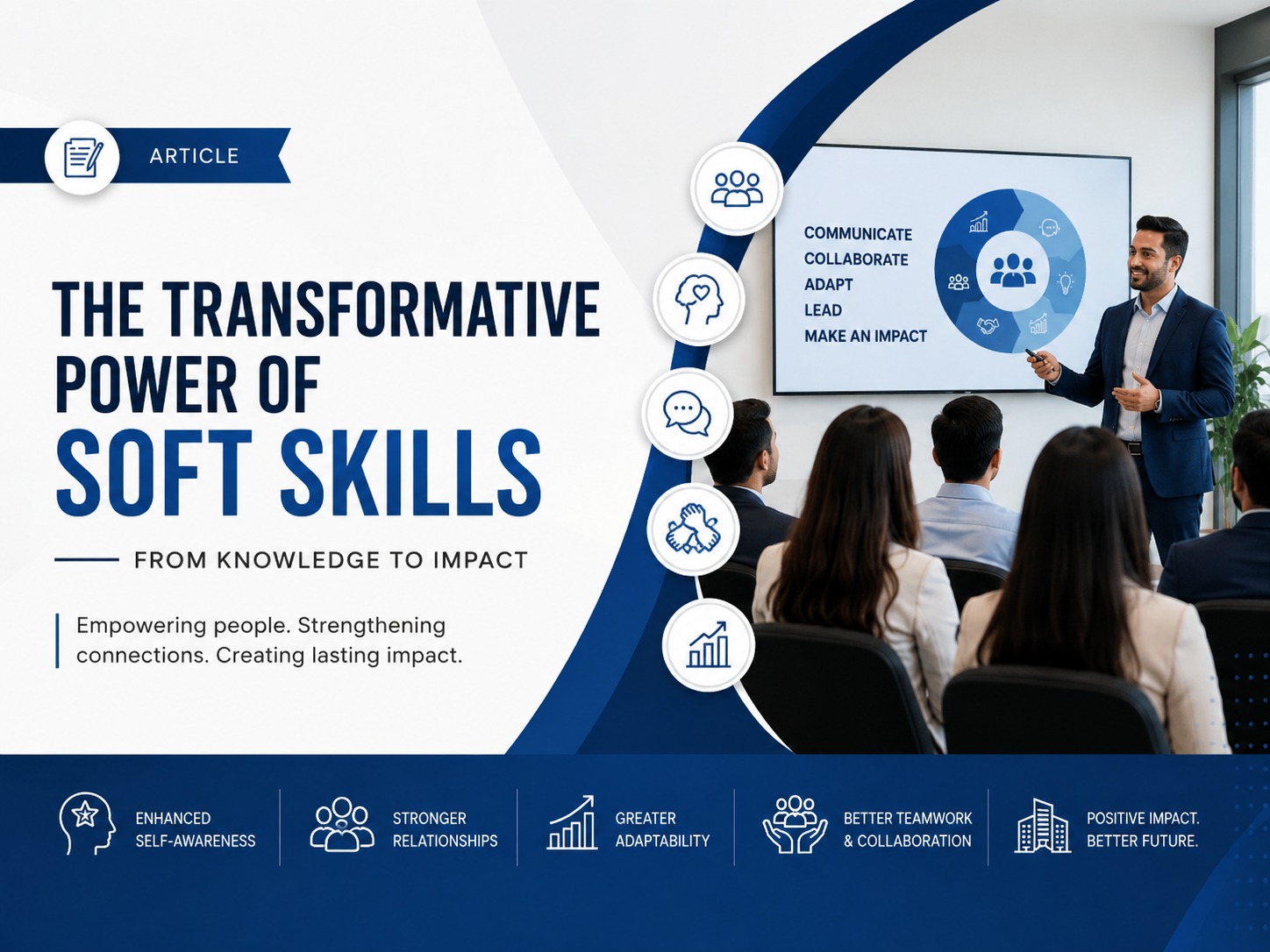
Communication is another key element of effective leadership. Successful leaders are not only good speakers but also careful listeners. They promote open discussion, welcome feedback, and make sure every team member feels heard. Clear communication helps prevent misunderstandings, builds confidence, and strengthens relationships. Leaders who communicate with empathy create a culture of mutual respect and teamwork.
- Empowering:
Leadership is also about empowering others rather than controlling them. Instead of closely supervising every task, effective leaders delegate responsibilities, offer guidance, and trust their teams to achieve results. Empowered employees become more confident, creative, and responsible. They also develop their own leadership skills, helping create a culture where learning and growth continue over time.
- Adaptability
Adaptability has become an essential leadership quality in today’s dynamic environment. Markets change, technology advances, and customer expectations shift quickly. Leaders must stay flexible and open to new ideas while guiding their teams through uncertainty. Rather than resisting change, effective leaders see it as a chance for innovation and improvement. Their resilience during difficult times builds confidence and keeps teams focused on solutions instead of problems.
- Emotional intelligence
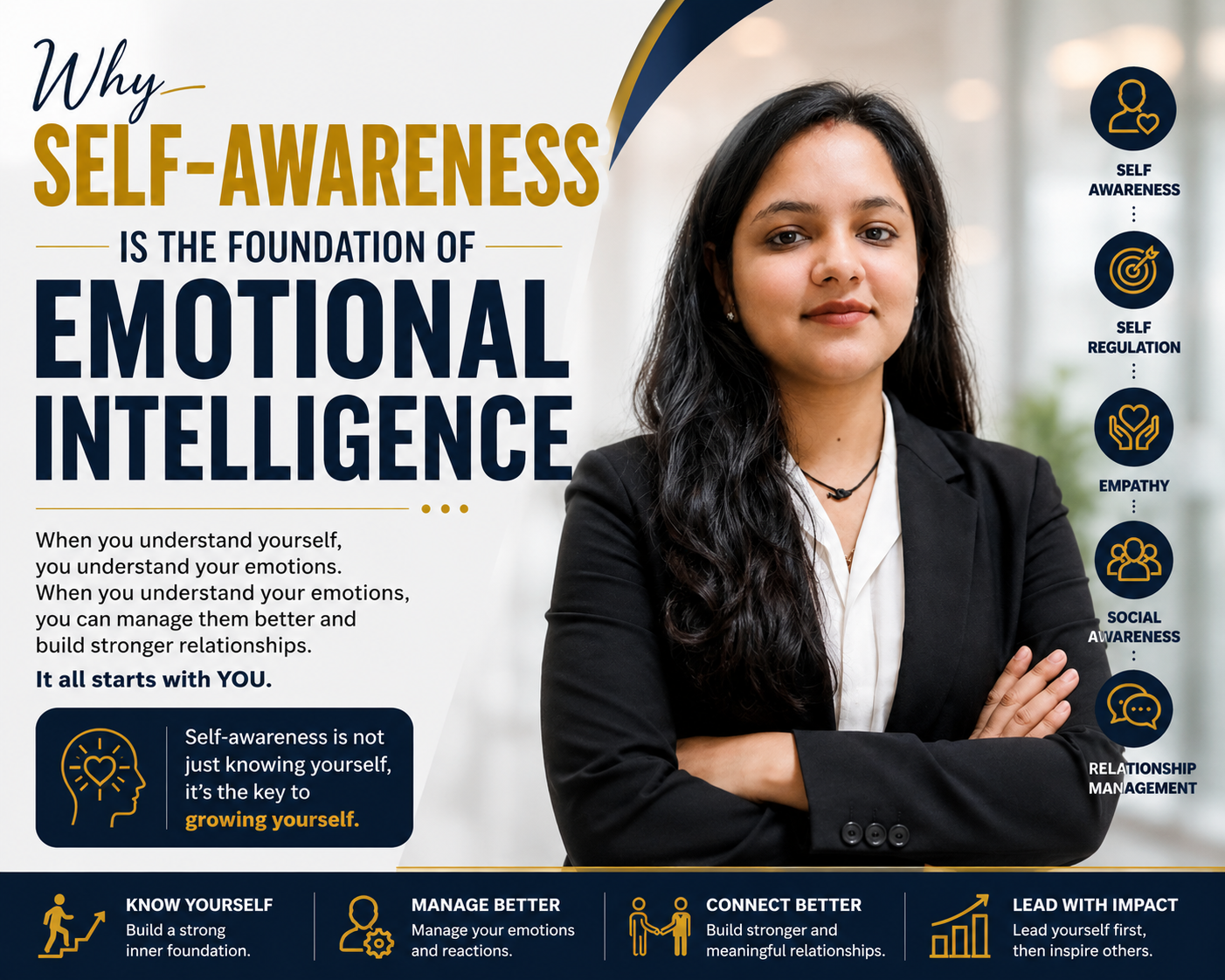
Emotional intelligence is another defining trait of successful leadership. It involves understanding one’s own emotions while also recognizing and managing the emotions of others. Leaders with strong emotional intelligence build better relationships, handle conflicts constructively, and create psychologically safe workplaces where people feel comfortable sharing ideas and concerns. Empathy allows leaders to connect with individuals on a human level, which increases engagement and loyalty.
- Ethical leadership
Ethical leadership is equally important. In an age where organizations are judged not only by financial results but also by social responsibility, leaders must show fairness, honesty, and accountability. Ethical leaders make decisions based on values rather than convenience, creating a culture of integrity that strengthens organizational reputation and stakeholder trust.
Leadership goes beyond organizational success; it is also about developing future leaders. Great leaders spend time coaching, mentoring, and nurturing talent. They recognize individual strengths, offer constructive feedback, and create opportunities for professional development. By helping others succeed, leaders support the long-term sustainability and resilience of their organizations.
Conclusion
In conclusion, leadership is not a privilege limited to a chosen few; it is a skill that can be learned, developed, and improved over time. It is built on trust, communication, empathy, adaptability, integrity, and a commitment to serving others. As organizations continue to face complex challenges, the need for authentic and purpose-driven leaders has never been greater. By focusing on continuous learning, empowering others, and leading with values, anyone can become a leader who inspires positive change and leaves a lasting impact on people, organizations, and society.