
In today’s rapidly evolving workplace, technical expertise and academic qualifications alone are no longer sufficient to guarantee success. While technical skills help individuals perform specific tasks and responsibilities, soft skills determine how effectively they communicate, collaborate, lead, and build relationships.
Organizations increasingly recognize that success is not determined solely by what employees know, but also by how they interact with others and respond to workplace challenges. As a result, soft skills training has become an essential component of professional development.
Understanding Soft Skills
Soft skills are personal attributes, behavioural competencies, and interpersonal abilities that influence how individuals work and interact with others. Unlike technical skills, which are specific to a profession or job role, soft skills are transferable and valuable across industries and occupations.
Some of the most important soft skills include communication, emotional intelligence, leadership, teamwork, time management, problem-solving, adaptability, conflict resolution, decision-making, and presentation skills.
These skills help individuals build meaningful relationships, navigate challenges effectively, and contribute positively to organizational success.
Soft Skills Training
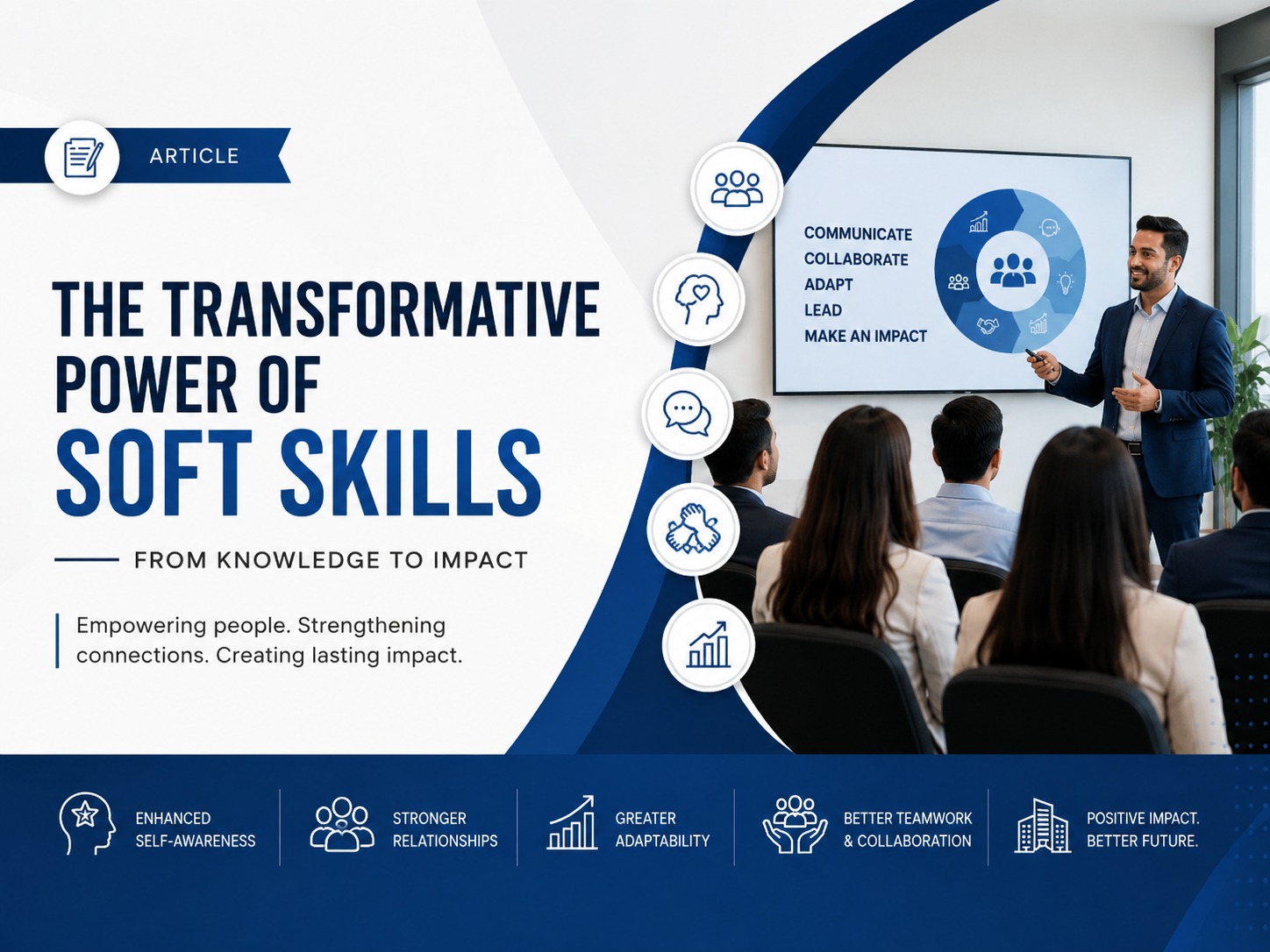
Soft skills training is a structured process designed to help individuals develop and strengthen these essential workplace competencies. Through workshops, coaching, role plays, experiential activities, and reflective learning exercises, participants learn how to communicate effectively, manage emotions, collaborate with others, and build productive professional relationships.
Unlike technical training, which focuses on job-specific knowledge and procedures, soft skills training focuses on behaviour, attitude, and human interaction.
The Power of Soft Skills Training
The impact of soft skills training can be seen in several important areas:
- Effective Communication
Communication lies at the heart of every successful workplace. Soft skills training helps individuals express ideas clearly, listen actively, provide constructive feedback, and engage confidently in professional conversations.
Strong communication minimizes misunderstandings, improves collaboration, and strengthens workplace relationships.
- Stronger Workplace Relationships
Every professional interacts with colleagues, supervisors, clients, and stakeholders. The ability to build positive relationships is essential for workplace success.
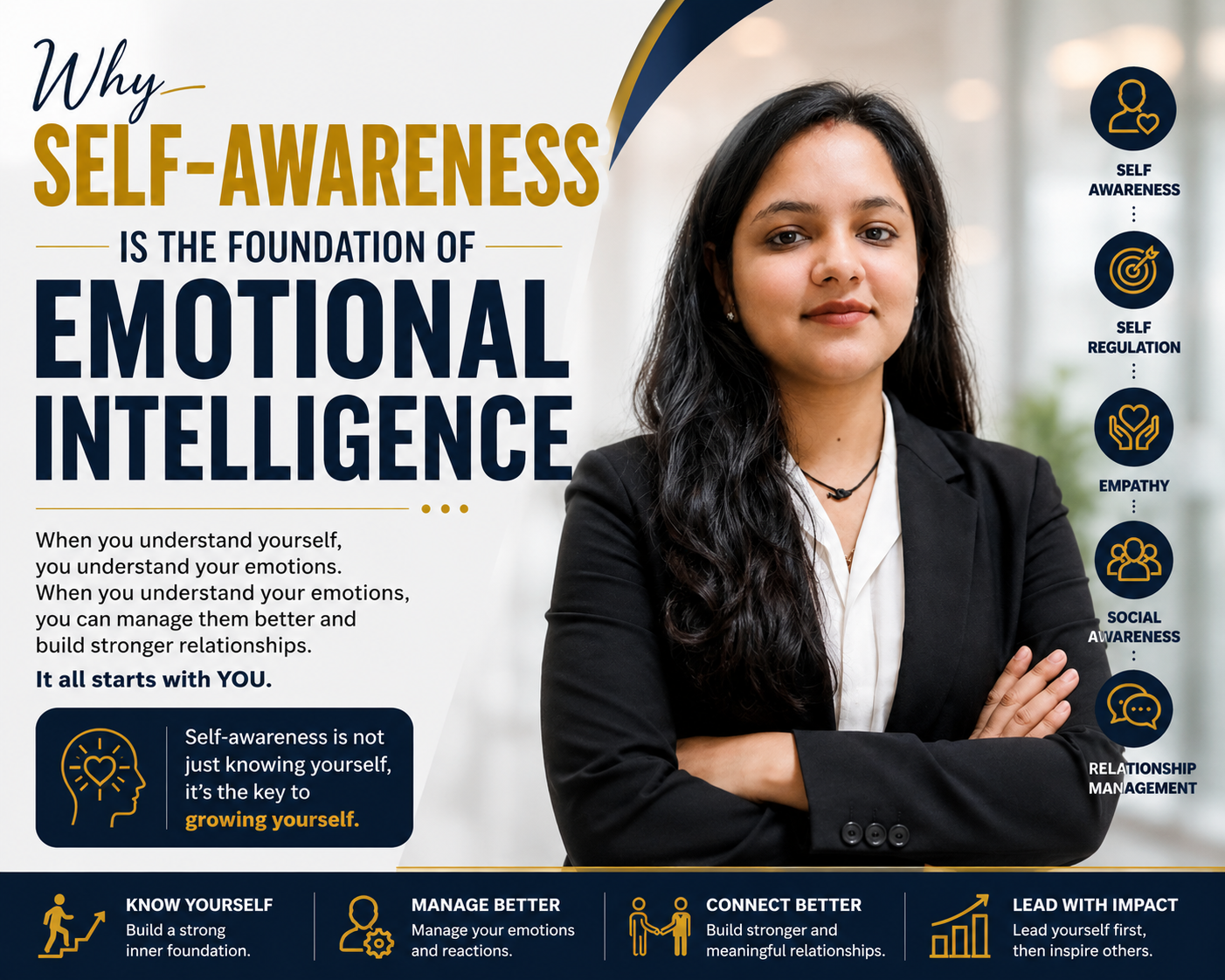
Soft skills training develops empathy, emotional awareness, and interpersonal understanding, helping individuals foster trust, mutual respect, and productive professional connections.
- Enhanced Leadership Potential
Leadership is not limited to managerial positions. Every professional has opportunities to influence, motivate, and support others.
By developing confidence, emotional intelligence, accountability, and decision-making abilities, soft skills training prepares individuals to lead by example and inspire those around them.
- Greater Adaptability
Modern workplaces are characterized by constant change. New technologies, evolving business environments, and shifting customer expectations require employees to be flexible and resilient.
Soft skills training helps individuals develop a positive mindset and the ability to adapt effectively to changing circumstances.
- Improved Teamwork and Collaboration
No organization can succeed without teamwork. Employees who communicate effectively and work well with others contribute significantly to organizational performance.
Soft skills training encourages cooperation, constructive conflict resolution, and collaborative problem-solving, enabling teams to work more effectively toward common goals.

Soft Skills Training and Professional Success
The relationship between soft skills training and professional success is similar to the relationship between knowledge and application.
An individual may possess exceptional technical expertise, but without the ability to communicate effectively, collaborate with others, or manage workplace relationships, achieving long-term success can be difficult.
Soft skills training bridges this gap by helping individuals transform knowledge into meaningful action and positive workplace impact.
The Distinct Yet Essential Advantage
Technical skills and soft skills serve different but complementary purposes.
Technical skills determine what a person can do, while soft skills determine how effectively they can do it while working with others.
Organizations increasingly seek professionals who can combine technical competence with strong interpersonal abilities. Individuals who possess both are often better equipped to drive innovation, foster collaboration, and contribute to organizational growth.
Why Soft Skills Matter More Than Ever
In today’s interconnected and rapidly evolving world, soft skills have become more valuable than ever before. Organizations are investing in communication, leadership, emotional intelligence, teamwork, and adaptability because these competencies directly influence workplace effectiveness and long-term success.
Soft skills training is not merely about improving behaviour—it is about unlocking human potential. It empowers individuals to communicate with confidence, build meaningful relationships, lead with empathy, and respond positively to challenges.
As workplaces continue to evolve, one truth remains unchanged: technical skills may open the door to opportunities, but soft skills determine how far individuals can grow, lead, and succeed.
The most successful professionals are not only knowledgeable—they are effective communicators, empathetic leaders, collaborative team members, adaptable problem-solvers, and lifelong learners.