
In today’s fast-changing professional and personal world, technical knowledge alone is not enough to achieve success. A person may have excellent qualifications, experience, and expertise, but the ability to communicate and connect effectively with others often determines how successful they become. This is where interpersonal skills play a powerful role. Interpersonal skills are the abilities we use to interact, communicate, understand, and build relationships with other people.
Interpersonal skills—often called people skills—are the tools you use to talk, listen, and build trust with others. They drive career growth, stop arguments before they start, and turn regular groups into strong teams.
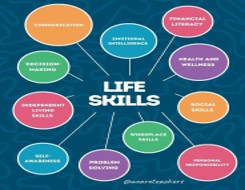
Life skills that strengthen communication, relationships and workplace effectiveness
Why People Skills Matter
- Better jobs: Bosses look for people who work well with others.
- Strong trust: Empathy helps you connect and bond with coworkers.
- Less stress: Clear chats fix small issues before they grow.
- Team wins: Good listening helps everyone reach the same goal.
Core People Skills
- Active listening: Pay close attention and ask good questions.
- Empathy: Feel what others feel to show you care.
- Teamwork: Share the load and help friends finish tasks.
- Conflict resolution: Talk through fights to find a fair fix.
Interpersonal skills include communication, active listening, empathy, teamwork, emotional intelligence, adaptability, conflict management, and respect. These skills influence almost every area of our lives—from our relationships with family and friends to our performance at school or in the workplace.
One of the most important interpersonal skills is effective communication. Communication is not simply about speaking clearly; it also involves listening carefully and understanding what others are trying to express. A good communicator can explain ideas confidently, ask meaningful questions, and respond appropriately. In the workplace, effective communication reduces misunderstandings, improves productivity, and creates stronger professional relationships.
Active listening is another powerful interpersonal skill. Many people listen only to respond rather than to understand. Active listening requires giving the speaker our full attention, avoiding unnecessary interruptions, asking relevant questions, and showing genuine interest. When people feel heard and understood, they are more likely to trust us and communicate openly.
Empathy also plays a significant role in building strong relationships. Empathy means understanding another person’s feelings, thoughts, and point of view. It does not necessarily mean agreeing with someone; rather, it means trying to see a situation from their perspective. An empathetic manager, trainer, teacher, or colleague can create a supportive environment where people feel valued and respected.
Interpersonal skills are particularly important in teamwork. Modern workplaces depend heavily on collaboration. Team members need to share responsibilities, appreciate different opinions, provide constructive feedback, and work toward common goals. A person with strong interpersonal skills can contribute positively to a team while also encouraging others to perform at their best.
Another important benefit of interpersonal skills is their ability to help us manage conflicts. Disagreements are natural whenever people with different personalities, experiences, and opinions work together. Poor communication can make conflicts worse, while effective interpersonal skills can help resolve them. Staying calm, listening to both sides, focusing on the problem rather than the person, and finding a mutually acceptable solution can turn conflict into an opportunity for understanding and growth.
Interpersonal skills are also closely connected to leadership. A great leader does not simply give instructions; they inspire, motivate, listen, guide, and support their team. Leaders who communicate clearly and demonstrate empathy can build trust and encourage people to take responsibility. In many situations, people remember how a leader made them feel as much as what the leader achieved.
The power of interpersonal skills extends beyond the workplace. Strong interpersonal skills can improve personal relationships by helping individuals express their feelings, understand others, handle disagreements, and develop mutual respect. They also contribute to greater self-confidence. When people know how to communicate effectively and interact comfortably with others, they are more willing to participate in conversations, presentations, meetings, and social situations.
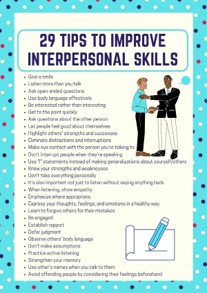
The good news is that interpersonal skills can be developed and improved. They are not abilities that only some people are born with. We can strengthen them through practice. Simple habits such as listening without interrupting, maintaining appropriate eye contact, showing appreciation, asking questions, accepting feedback, and thinking before responding can make a significant difference.
In conclusion, interpersonal skills are among the most valuable skills a person can develop. They help us communicate better, build meaningful relationships, work effectively in teams, manage conflicts, and become better leaders. In a world where people interact constantly—both face-to-face and digitally—the ability to connect with others is a powerful advantage.
Knowledge may open the door to opportunity, but strong interpersonal skills help us build relationships, earn trust, and turn opportunities into lasting success.