

Professionalism: The Career Currency
That No Certificate Can Replace
Professionalism is an approach to work, not a degree, designation or certificate. It is how you consistently show up, communicate, take responsibility and deliver results. In a corporate environment, technical skills may help you get noticed, but professionalism often determines whether people trust you with greater responsibility.
Frank Tyger captured the idea well: “Professionalism is knowing how to do it, when to do it and doing it.” That is why professionalism is a cornerstone of career advancement—and the heart and soul of a healthy workplace.
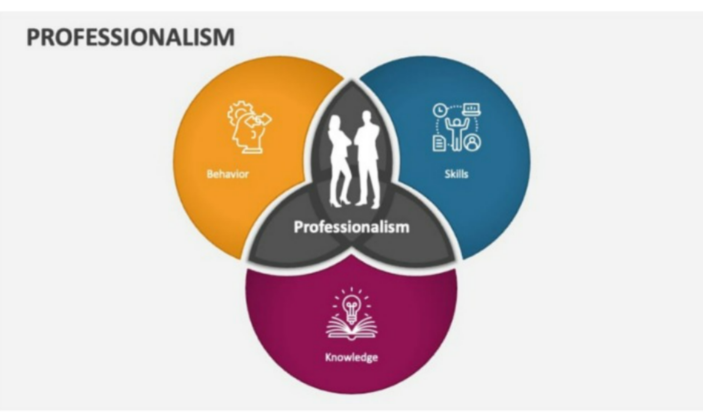
Professionalism combines knowledge, skills and behaviour.
What Does Professionalism Look Like?
A highly professional person does not need constant supervision. They understand expectations, take ownership and complete work to a dependable standard. Their work becomes their certificate—the strongest evidence of their capability.
A simple 3A framework explains professionalism:
Accountability – Own your commitments, decisions and mistakes.
Attitude – Stay constructive, adaptable and solution-oriented, especially under pressure.
Audience – Understand the people around you and adapt your communication without compromising respect or authenticity.
Professionalism also shows through the quality of your work, punctuality, ethics, appropriate appearance, communication, and respect for others.
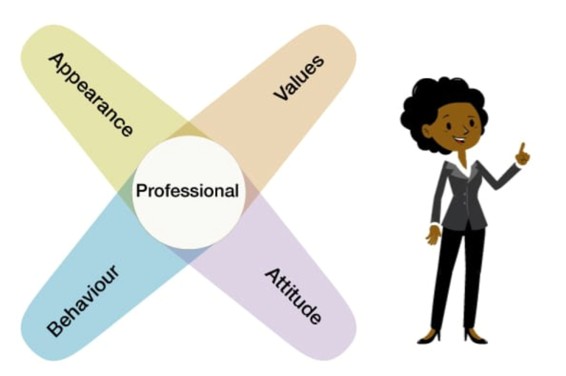
Professionalism is visible through appearance, values, attitude and behaviour.
Common Workplace Challenges
Many professionals understand the theory of professionalism but struggle with everyday behaviours that quietly damage credibility. Common examples include:
Monopolising meetings: Speaking over others or taking all the airtime prevents diverse ideas from being heard.
Oversharing personal matters: Workplaces need empathy, but healthy professional boundaries still matter.
Excessive self-promotion: Visibility is valuable; repeatedly taking attention or credit is not.
Taking shortcuts: Fast work is useful only when quality, accuracy and ethics are protected.
Blaming colleagues: Owning mistakes builds more trust than finding someone else to blame.
Gossiping: Gossip weakens psychological safety and damages relationships.
Taking credit for someone else’s work: This may deliver short-term visibility but destroys long-term trust.
Practical Solutions: How to Become a Workplace Standout
Be reliable. Do what you say you will do. If a deadline is at risk, communicate early rather than disappear.
Be on time. Punctuality signals respect for other people’s time and demonstrates self-management.
Be accountable. Replace “It wasn’t my fault” with “Here is what happened, here is what I will do next.”
Be adaptable. Different people, clients and situations require different communication styles.
Communicate with intention. Listen fully, speak clearly and choose the right channel for the message.
Dress to the context. Your appearance should reflect the expectations of your role, industry and audience.
Be positive—but realistic. A professional does not ignore problems; they bring solutions with the problems.
Be exceptionally good at your work. Expertise earns credibility. Humility and continuous learning makes that credibility sustainable.
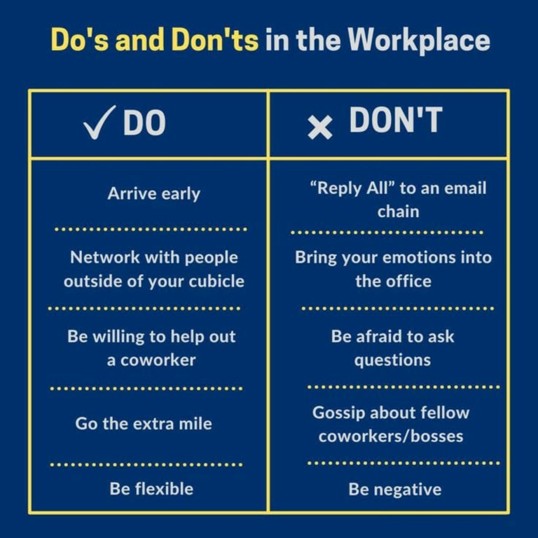
Small workplace choices can strengthen—or weaken—professional credibility.
Real-Life Workplace Examples
Imagine a team meeting where one employee answers every question and interrupts colleagues. Even if that person is highly knowledgeable, the behaviour can make others disengage. A professional alternative is to contribute, then deliberately create space: “I’d like to hear what the rest of the team thinks.”
Consider another employee who makes an error in a client report. Instead of blaming a colleague, they say: “I missed this during my final check. I have corrected it and added a review step so it does not happen again.” That response demonstrates accountability and turns a mistake into evidence of maturity.
Finally, consider the colleague who quietly does the hard work while another person presents it as their own. Credit-stealing may create temporary visibility, but it quickly erodes trust. Professional leaders recognise contributions openly and build a culture where people want to collaborate.
Conclusion: Treat Your Workplace With Respect
Can professionalism be taught? Absolutely. Through structured corporate training, It can be explained, practised, observed, coached and reinforced until it becomes a habit. But the real test is what we do when nobody is watching.
The highest level of professionalism is a combination of reliability, humility, expertise, dedication, communication, appropriate appearance and accountability. It is also rooted in morals, ethics and respect for people—values that Dr. Kyikyi Thin associates with professionalism and harmony among mankind.
If you want to become a workplace standout, start small: arrive on time, keep your word, listen before responding, respect boundaries, give credit generously, own mistakes and deliver work you are proud to put your name on.