
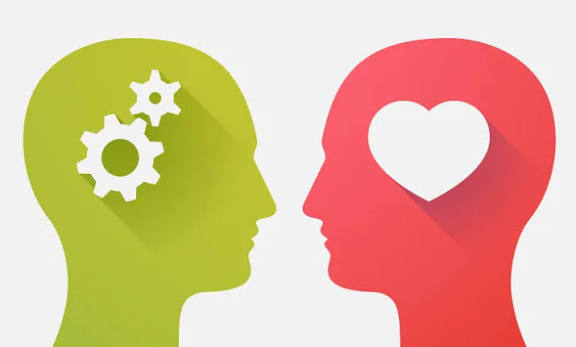
For decades, intelligence has been associated with IQ—the ability to reason, analyse, solve problems and process information. In the professional world, a high IQ can certainly be an advantage. It helps us develop ideas, make decisions and build strategies.
But an idea, however brilliant, does not grow on its own.
Businesses are built by people. Teams are led by people. Relationships are sustained by people. And people are influenced not merely by what we know, but by how we make them feel.
This is where Emotional Intelligence, or EQ, becomes significant.
As a Communication Skills Trainer, I believe EQ is closely connected to communication—not simply what we say, but how we listen, respond, handle difficult conversations and connect with others.
IQ may help you create the idea. EQ helps you take people along with it.
Consider a technically brilliant leader with an excellent strategy. She understands markets, numbers and opportunities. But if she cannot listen to her team, accept different opinions or recognise when employees are struggling, even a great strategy can suffer in execution.
Leadership is not simply about knowing what needs to be done. It is about understanding the people who have to make it happen. This is why technical brilliance does not always translate into great leadership. Some people possess something beyond knowledge—the ability to inspire, influence and bring people together. They possess Emotional Intelligence.
Ratan Tata is perhaps one of India’s most recognisable examples. His legacy extends beyond the growth of the Tata Group. He was widely respected for his humility, compassion and concern for people. The Tata Group’s response following the 26/11 Mumbai attacks is particularly remembered. The Taj Mahal Palace hotel was among the locations attacked, and the Group supported employees and their families affected by the tragedy.
People remember how an organisation treats them when things are going well. But they remember even more clearly how it stands by them when things go wrong.
Another example is Indra Nooyi, former Chairman and CEO of PepsiCo. During her tenure, she championed “Performance with Purpose” – the idea that financial performance could coexist with responsibility towards people, society, health and the environment.
Both examples show that attention to people can become part of the culture through which business success is achieved. A leader’s emotional intelligence can become part of a company’s identity.
But EQ begins much closer to home—with self-awareness.
Why did that comment make me angry? Why do I become defensive when someone questions my decision? Why do I interrupt? Why do I struggle to accept criticism?
Understanding our emotional triggers helps us respond rather than react. A leader who understands her emotions can handle difficult situations better. A manager who understands the impact of her tone can give difficult feedback without humiliating someone. A colleague who knows how to listen can disagree without making another person feel dismissed.
These seemingly small behaviours shape the quality of our relationships, both at work and beyond it.
For me, this is where Emotional Intelligence becomes particularly powerful. Good communication is not simply about choosing the right words. It is about understanding the person, the situation and the emotion behind the conversation.
It means knowing when to speak and when to listen; disagreeing without disrespecting; and giving feedback without diminishing someone’s confidence. Sometimes, it also means recognising that not every conversation needs to be won.
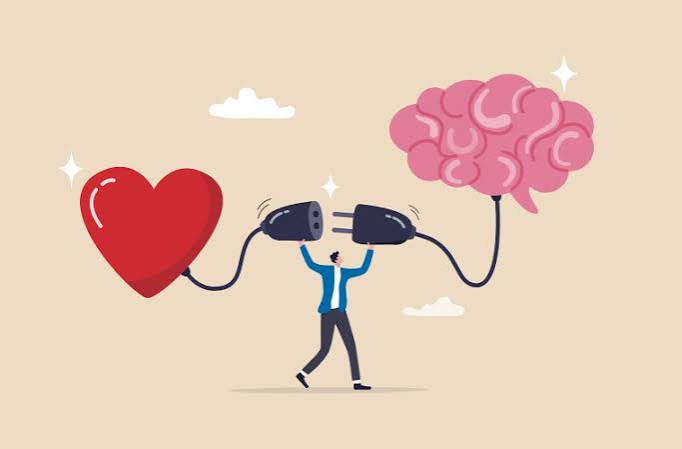
IQ helps us build knowledge, develop ideas and solve problems. EQ helps us connect that knowledge to people. It enables us to lead teams, build trust, manage relationships, influence without authority and carry people with us through change.
Perhaps the more important question is not simply:
“How smart are you?”
It is:
“How effectively can you use what you know while understanding the people around you?”
Because ideas may be created by individuals. But visions are realised by people who believe in them. Organisations are built by people who work for them. And meaningful lives are enriched by the people we connect with.