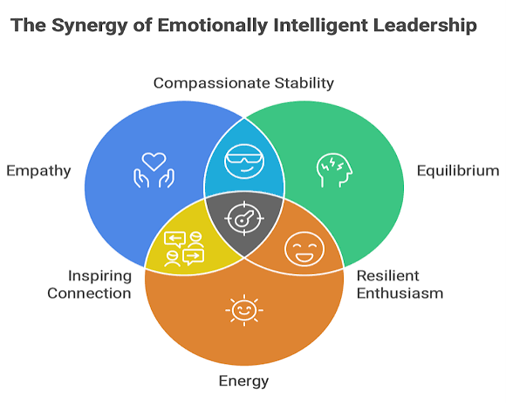

In a world where technical knowledge is easily accessible, one skill continues to distinguish effective professionals and inspiring leaders: Emotional Intelligence (EI).
What Is Emotional Intelligence?
Being intelligent is not only about how well we solve problems, analyse information, or perform a task. It is also about how well we understand ourselves, respond to emotions, communicate with others, and handle challenging situations.
Emotional intelligence refers to our capacity to identify emotions, understand their influence on our behaviour, manage them constructively and appropriately respond to emotions—both your own and those of other people. It also involves recognising emotional signals in other people and responding with awareness rather than assumption.
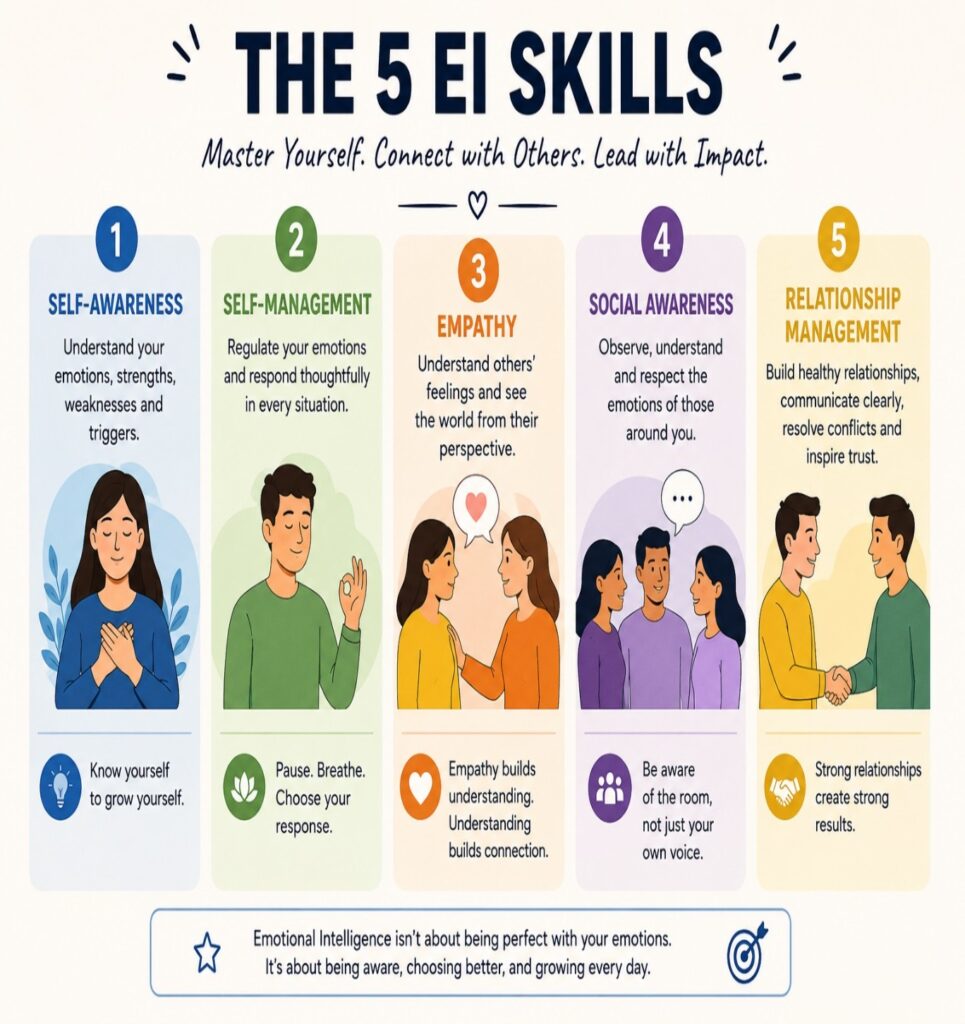
A useful way to understand EI is through five interconnected abilities:
Understanding the key components of emotional intelligence can help us identify areas for personal and professional growth. This simple shift can create more respectful and meaningful professional relationships.
- Self-Awareness: Understand Yourself Before Understanding Others
Self-awareness is the foundation of emotional intelligence. It means recognising what we are feeling and understanding how those emotions influence our thoughts and actions.Self-awareness encourages an important question: “What am I feeling, and why?”
For example, a person who realises that frustration is affecting their communication may choose to pause before responding to a colleague. That small moment of awareness can prevent a minor disagreement from becoming a larger conflict.
- Self-Management: Respond Instead of React
Self-management means regulating emotional reactions without suppressing them. It helps us to remain composed during stressful situations and make thoughtful decisions. A stressful situation may naturally create anger or anxiety, but emotionally intelligent behaviour allows us to respond thoughtfully rather than react impulsively.
A simple strategy is to pause before responding. Taking a few seconds to breathe, process what happened, and consider the consequences of your response can prevent unnecessary arguments and misunderstandings.
- Empathy: Look Beyond Your Own Perspective
Empathy is the ability to understand another person’s perspective and emotional experience. Empathy does not mean agreeing with everyone. It means making an effort to understand before making assumptions.
In the workplace, empathy can transform communication. Instead of immediately judging a colleague who appears disengaged, an emotionally intelligent person may consider what could be happening beneath the surface.
- Social Awareness: Read the Room
Communication is not limited to words. Facial expressions, tone of voice, body language, silence, and changes in behaviour can all provide emotional cues. Social awareness helps us notice these signals and understand the emotional atmosphere around us. This skill can be particularly valuable during team meetings, presentations, negotiations, interviews, and difficult conversations.
Sometimes, knowing what is not being said can be just as important as hearing what is being said.
- Relationship Management: Turn Understanding Into Action
Emotional intelligence becomes particularly powerful when it influences how we interact with others. Relationship management involves communication, active listening, collaboration, conflict resolution, trust-building, and influencing others positively.
A leader with strong relationship-management skills does not simply give instructions. They create an environment where people feel heard, respected, and encouraged to contribute.
Why Does Emotional Intelligence Matter at Work?
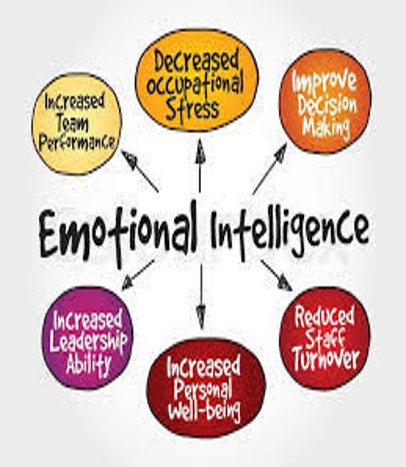
Technical skills may help us enter a room, but emotional intelligence often determines how effectively we work with the people inside it. In a workplace increasingly influenced by technology and artificial intelligence, human qualities such as empathy, self-awareness, adaptability, communication, and trust become even more valuable to influence communication, teamwork, leadership, decision-making, adaptability and healthier workplace relationships.
Whether you are a manager handling a difficult conversation, a professional receiving feedback, or a team member dealing with workplace pressure, your ability to understand and manage emotions can influence the outcome. It is about recognising emotions, understanding their impact, and choosing appropriate responses.
Can Emotional Intelligence Be Developed?
Yes. Emotional intelligence is not simply a fixed personality trait. It can be strengthened through consistent practice and reflection. A simple starting point is the Pause–Notice–Choose approach:
Pause: Take a moment before reacting.
Notice: Identify what you are feeling and what may have triggered it.
Choose: Decide how you want to respond instead of allowing the immediate emotion to control your behaviour.
Emotional intelligence therefore isn’t simply a “soft skill.” It is a practical capability that can influence how we communicate, lead, collaborate, and respond to challenges. Emotional intelligence is not about being positive all the time or avoiding difficult emotions. The goal is to understand them well enough to choose our response. And sometimes, one small pause between feeling and reacting can make all the difference.