

Emotional Intelligence means understanding our own emotions and knowing how to handle them, while also being able to understand what other people are feeling. In simple words, it is about knowing what we feel, why we feel it, and how our feelings affect the way we behave with others.
Knowing Our Own Feelings
The first part of emotional intelligence is understanding ourselves. Sometimes we feel angry, upset, nervous, or frustrated without really knowing the reason behind it. When we become more aware of our emotions, we can understand what is actually bothering us.
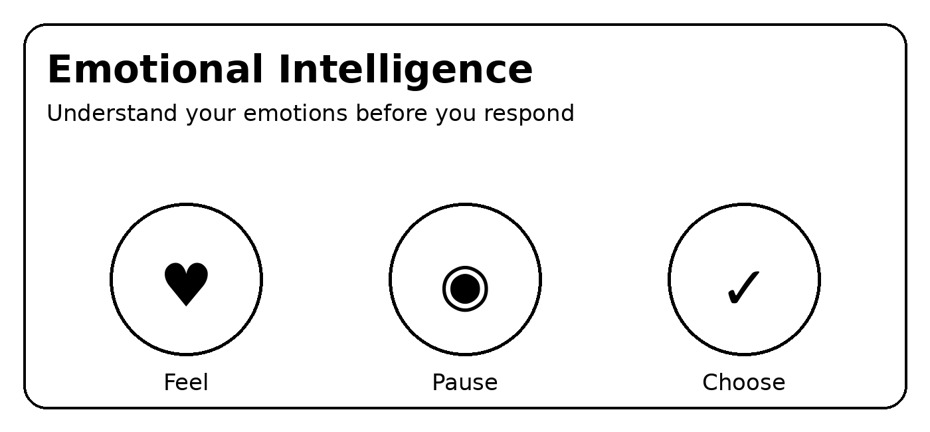
For example, imagine that your manager gives you negative feedback at work. You may immediately feel bad or angry. Instead of replying without thinking, emotional intelligence teaches us to pause and ask ourselves, “Why am I feeling this way?” Maybe we are hurt because we worked hard, or maybe we are worried about what the feedback means.
Once we understand our feelings, it becomes easier to deal with them.
Controlling Our Reactions
We cannot always control what happens to us, but we can control how we react to it. This is one of the most important parts of emotional intelligence.
Everyone has moments when they lose their patience. We may get irritated with a colleague, argue with a family member, or become stressed because of work. Reacting immediately can sometimes make a small problem much bigger.
Taking a few seconds to calm down before responding can make a huge difference. It does not mean that we should ignore our feelings. It simply means that we should not allow our emotions to make decisions for us.
Understanding Other People
Emotional intelligence is not only about ourselves. It is also about understanding others. This is called empathy.
Empathy means trying to understand how another person feels instead of judging them immediately. For example, if a colleague is unusually quiet or irritated, we may think they are being rude. But we do not know what they might be going through personally.
Sometimes, all a person needs is someone who will listen without judging them.
Being empathetic helps us build better relationships because people feel comfortable when they know that they are being understood.
Emotional Intelligence at the Workplace
Emotional intelligence plays a very important role at work. We spend a large part of our lives working with different people, and everyone has different personalities, opinions, and ways of communicating.
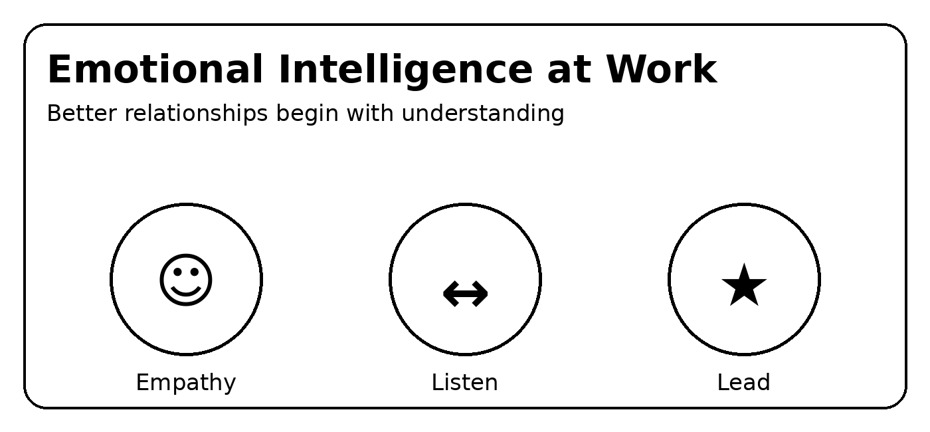
A person may be technically excellent at their job but still struggle if they cannot communicate properly or work well with others. On the other hand, someone who listens, communicates respectfully, handles pressure, and understands their team can become a very effective professional.
Emotional intelligence is especially important for leaders. A good leader should not only focus on results. They should also understand their team members, appreciate their efforts, listen to their concerns, and support them when they are struggling.
Can We Improve Our Emotional Intelligence?
The good thing about emotional intelligence is that we can improve it with practice. We do not have to be perfect.
We can start by simply paying more attention to our emotions. When we feel angry or upset, we can ask ourselves what caused the feeling before reacting.
We can also become better listeners. Instead of preparing our reply while someone is speaking, we can actually listen to what they are saying.
Another useful habit is accepting feedback. Nobody likes criticism, but learning to listen to feedback without immediately becoming defensive can help us grow.
Most importantly, we should learn to pause. Sometimes, just taking a moment before speaking can prevent an argument, a misunderstanding, or a decision we may later regret.
Conclusion
Emotional intelligence is not about hiding our emotions or always staying calm. We are all human, and it is normal to feel angry, sad, excited, nervous, or frustrated. What matters is how we deal with those emotions.
In our personal lives, emotional intelligence helps us maintain stronger relationships. At work, it helps us communicate better, handle conflicts, work as a team, and become better leaders.
In my opinion, emotional intelligence is one of those skills that we often learn through real-life experiences. We may not notice its importance every day, but the way we handle a difficult conversation, support someone, accept criticism, or control our reaction can say a lot about us.
At the end of the day, being emotionally intelligent is not about being perfect. It is simply about understanding ourselves, respecting others, and choosing our response instead of reacting without thinking. That is what can truly help us become better professionals and better human beings.