
Think about the people who have influenced you most. Perhaps it was a teacher who believed in you, or
a manager who stood by you when a project failed. Chances are, their influence had little to do with their
designation.
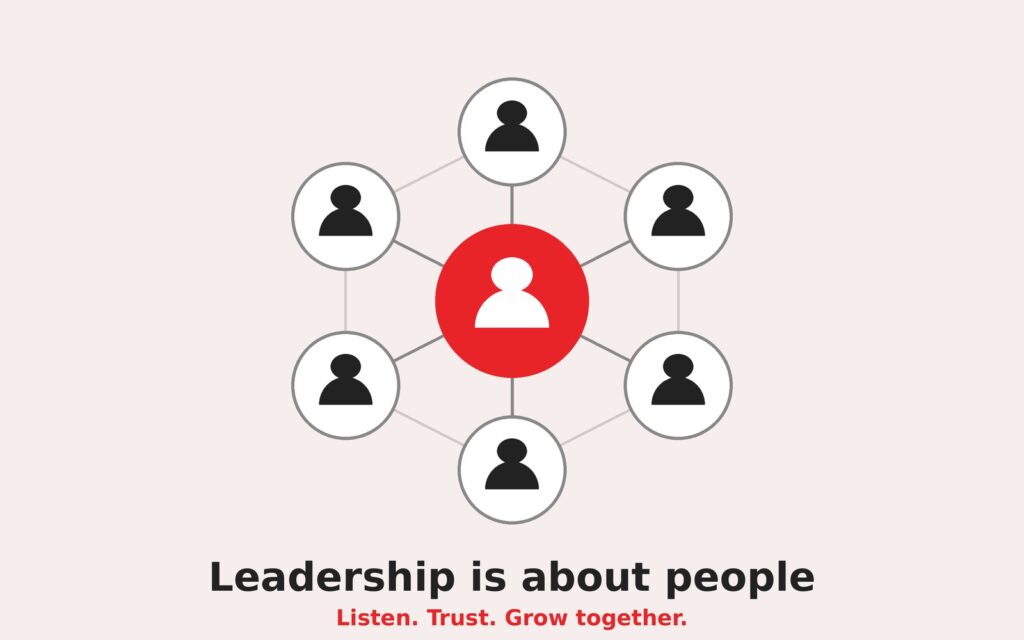
Leadership, at its heart, is about people: understanding what drives them, recognising what holds them
back, and creating an environment where they can do their best work. In a world of AI, digital
communication and constant change, this human side matters more than ever.
1. Emotional Intelligence Builds Trust
Imagine a manager who spots every mistake but delivers feedback so harshly that employees stop
sharing ideas. Now imagine another who addresses the same mistakes with clarity and helps the team
improve. The standard is equally high; the experience is entirely different.
That difference is emotional intelligence, the idea Daniel Goleman brought into mainstream
conversation. It means understanding your own reactions, reading the emotional climate of a team and
responding thoughtfully under pressure, while still holding difficult conversations without diminishing
anyone’s dignity.
A useful question to ask: Am I responding to the situation, or simply reacting to my emotions?
2. Listen to Understand
Leaders are often expected to have all the answers, which can make them less willing to listen. Yet
valuable insights often come from people rarely invited to speak, such as a junior employee who spots an
inefficiency. Stephen R. Covey’s advice remains timeless: “Seek first to understand, then to be
understood.” In practice, this means:
• Resisting the urge to interrupt
• Asking questions before drawing conclusions
• Being willing to change your view when new information emerges
When performance suddenly drops, a leader focused only on targets may see poor commitment. A leader
who asks questions may discover unclear expectations or a personal difficulty. Listening does not excuse
poor performance; it reveals its real cause.
3. Lessons from the Movies
• Remember the Titans: Teams grow stronger when differences are addressed, not ignored.
• The Intern: Experience and innovation need each other.
• Hidden Figures: Potential stays invisible when systems keep people from being heard.
4. Lead Well in the Digital Space
Leadership now unfolds through emails, video calls and chats, where tone is easily lost. A sarcastic
remark that seems harmless in person can sound hostile on screen. Good digital leaders respect people’s
time, give feedback privately and praise publicly, credit others’ work, and disagree without becoming
disrespectful. Write every message as though the recipient’s interpretation matters as much as your
intention. Because it does.
5. Build Trust in Small Moments
Employees experience culture through everyday interactions. Does the manager listen to a concern? Are
expectations applied consistently? When something goes wrong, is the first response to find a solution or
someone to blame? Trust grows through fairness, consistency and honesty, and leaders must hold
themselves accountable too: admitting an error shows that responsibility matters more than an image of
perfection.
6. Develop People, Not Just Performance
Close supervision may deliver short-term results, but sustainable performance comes from people who
understand their purpose and feel trusted to take ownership. Instead of answering every problem, ask,
“What options have you considered?” Different people need different support: a new employee may need
clear instructions, while an experienced professional may thrive on autonomy.
Well-designed corporate training programs support this by focusing on
coaching, feedback and decision-making, so managers learn
to build capability instead of simply supervising.
7. Keep Human Judgement in the Age of AI
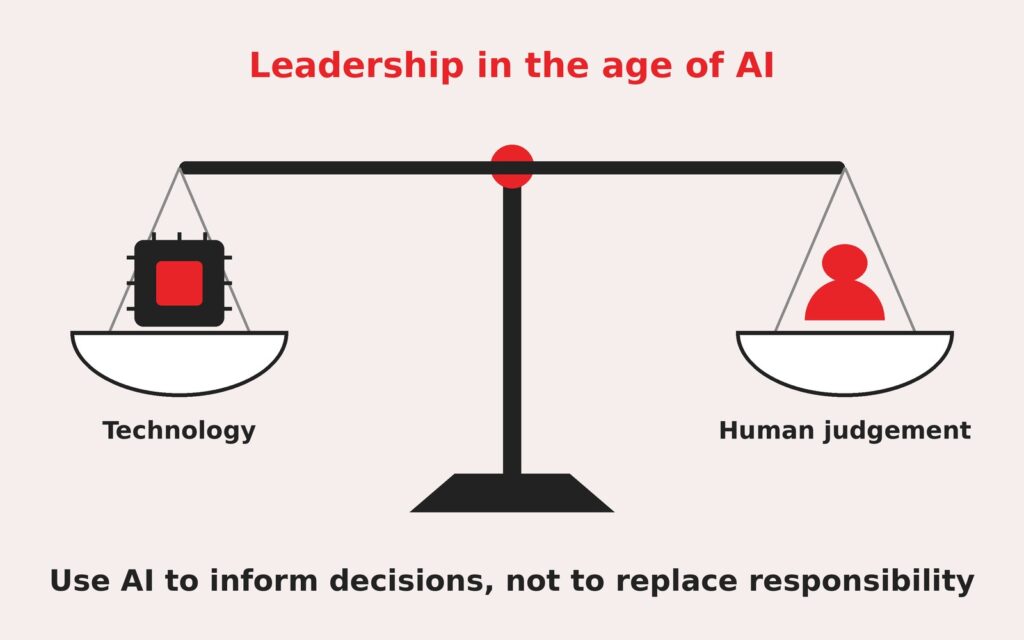
AI can organise information, identify patterns and suggest solutions. It cannot replace a leader’s
responsibility to weigh context, ethics and human consequences. If a company uses an automated system
to shortlist candidates, a responsible leader still asks whether it is fair and whether people can challenge
an incorrect outcome.
Five Questions Every Leader Should Ask at the End of the Day
• Did I listen to understand today?
• Did I respond thoughtfully under pressure?
• Did I recognise someone’s contribution?
• Was my communication respectful and clear?
• Did I help someone become more capable?
These are not a checklist for becoming a perfect leader. They are prompts for becoming a more aware
one.
Conclusion
Years from now, people may forget the targets you set and the meetings you held. They will remember
whether they felt respected, valued and helped to see their own potential. Leadership is not only about
being kind; empathy without accountability is ineffective, just as authority without empathy can be
destructive.
Perhaps the best way to think about leadership is not as a position we occupy, but as an experience we
create for others. So ask yourself: Are people better equipped, more confident and more willing to
contribute because of the way I lead?
The answer begins with what we choose to do today.