
When Palak attended her first job interview, she was confident that she had done everything right. She had excellent academic results, a professional degree, and strong technical knowledge. She answered every technical question correctly, yet she did not get the job. A few weeks later, she learned that another candidate with slightly less technical experience had been selected. The reason was simple: the other candidate communicated ideas more confidently, listened carefully, responded positively to questions, and demonstrated a strong ability to work with others. Palak realized an important lesson—technical knowledge can open the door to an opportunity, but soft skills often determine how successfully a person walks through it.
This example highlights the growing importance of soft skills in education, employment, and everyday life. Working with a good soft skill trainer can help people recognize these gaps early. Soft skills are the personal, interpersonal, and behavioral abilities that influence how individuals communicate, interact with others, manage themselves, and respond to different situations. Unlike technical skills, which are usually specific to a particular profession, soft skills are transferable and useful across almost every career and social environment.
Hard skills and soft skills complement each other. Hard skills include abilities such as programming, accounting, engineering, data analysis, operating machinery, or using specialized software. These skills demonstrate what a person knows and what they are capable of doing technically. Soft skills, in contrast, determine how effectively a person uses that knowledge while working with others. A highly skilled employee may possess excellent technical expertise, but without communication, teamwork, adaptability, or problem-solving abilities, that expertise may not translate into success.
The areas in soft skills training include:
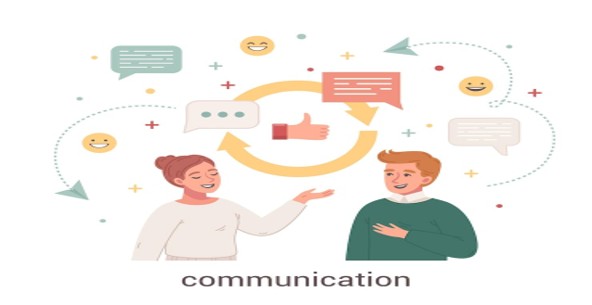
Communication is one the most important soft skills. It involves much more than speaking fluently. Effective communication includes listening attentively, expressing ideas clearly, understanding non-verbal communication, asking appropriate questions, and responding respectfully. In the workplace, good communication can prevent misunderstandings, improve teamwork, strengthen customer relationships, and help employees present their ideas with confidence.
Another essential soft skill is teamwork. Modern organizations depend heavily on collaboration, with employees often working in teams to achieve common objectives. Teamwork requires individuals to respect different opinions, share responsibilities, support colleagues, and resolve disagreements constructively. Soft skills training helps people understand how their behavior affects others and teaches them to become effective contributors to a team.

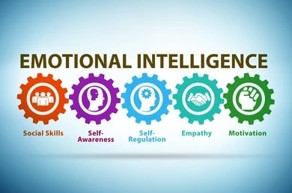
Emotional intelligence is also an important part of soft skills development. It refers to the ability to recognize, understand, and manage one’s own emotions while also being sensitive to the emotions of others. An emotionally intelligent person can remain calm under pressure, demonstrate empathy, accept criticism, and handle conflicts maturely. These qualities are particularly valuable in situations where professional relationships and difficult decisions are involved.
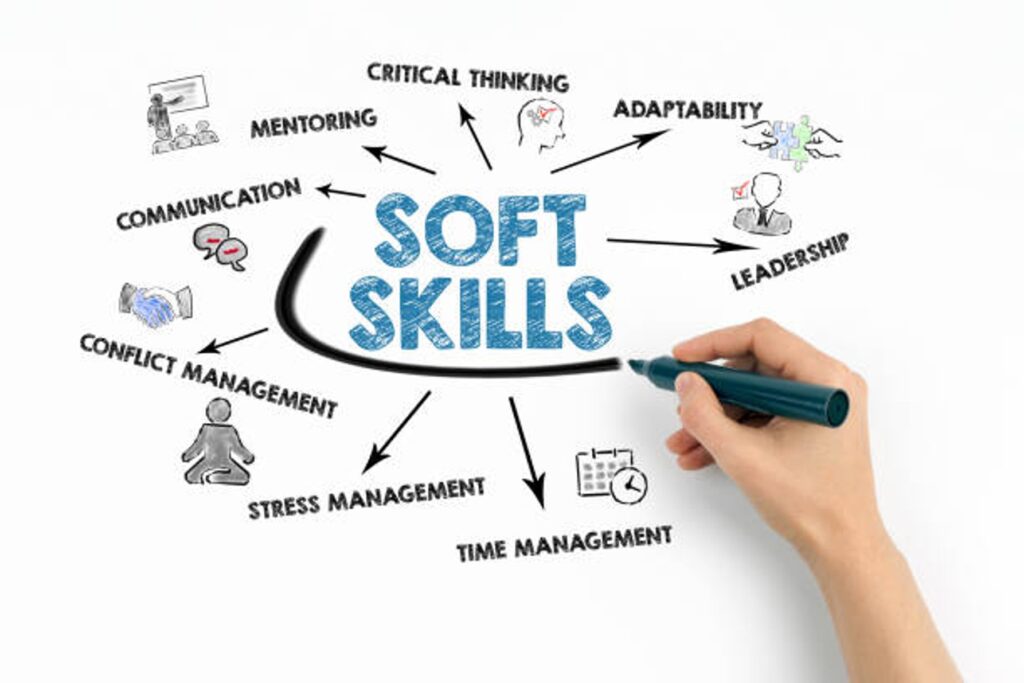
Soft skills also include leadership, time management, problem-solving, decision-making, adaptability, and interpersonal skills. Many organizations now pair these with formal leadership training programs to build stronger managers and future leaders. Leadership involves taking initiative and responsibility, while time management helps individuals organize tasks and meet deadlines. Problem-solving enables people to approach challenges logically, and adaptability allows them to respond positively to changing circumstances. Together, these skills help individuals become more effective and resilient.
This is where soft skills training become valuable. Soft skills cannot always be developed simply by reading books or listening to lectures. They require practice and real-world application. Training programs often use group discussions, role-playing, presentations, simulations, case studies, and feedback sessions. These activities give participants opportunities to practice communication, teamwork, leadership, and decision-making in realistic situations.
For organizations, investing in soft skills training often delivered through structured corporate training programs can lead to better workplace relationships, improved collaboration, greater employee confidence, and stronger leadership development. For students and young professionals, these skills can provide an advantage during interviews, presentations, internships, networking, and career development. Soft skills are also useful outside the workplace because they improve relationships, self-confidence, and the ability to deal with everyday challenges.
However, developing soft skills is not a one-time process. It requires continuous learning, self-awareness, practice, and feedback. Individuals need to identify their weaknesses, learn from their experiences, and remain open to constructive criticism. With consistent effort, soft skills can become natural behaviors rather than simply techniques learned in a training session.
In conclusion, the story of Palak reflects a reality faced by many students and professionals today. Knowledge and technical expertise are important, but they are most effective when supported by strong soft skills. Soft skills training helps individuals communicate better, work effectively with others, manage challenges, and adapt to changing environments. In a world where professional success increasingly depends on collaboration and human interaction, developing soft skills is no longer an optional advantage—it is an essential part of becoming a successful and well-rounded individual.